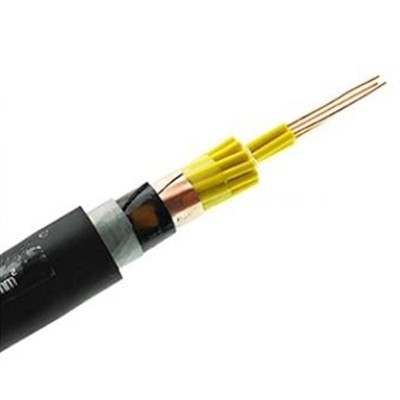
Can compensating cables be installed outdoors?
As a supplier of compensating cables, I often receive inquiries from customers about the feasibility of outdoor installation of compensating cables. This is a crucial question, as the outdoor environment presents unique challenges that can significantly impact the performance and longevity of these cables. In this blog post, I will delve into the factors to consider when installing compensating cables outdoors, the potential challenges, and the solutions to ensure optimal performance.
Understanding Compensating Cables
Compensating cables are specifically designed to transmit the thermoelectric potential generated by thermocouples accurately. They are used in various industrial applications, including temperature measurement and control systems. These cables are made of materials that closely match the thermoelectric properties of the thermocouples they are paired with, ensuring minimal signal loss and accurate temperature readings.
Factors to Consider for Outdoor Installation
When considering outdoor installation of compensating cables, several factors need to be taken into account:
-
Temperature Variations: Outdoor environments are subject to significant temperature fluctuations, which can affect the performance of compensating cables. Extreme cold or heat can cause the cables to expand or contract, leading to mechanical stress and potential damage. It is essential to choose cables that can withstand the temperature range of the specific outdoor location. For example, our K Precision High Temp Cable is designed to operate in high-temperature environments, making it suitable for outdoor applications where temperature variations are significant.
-
Moisture and Humidity: Exposure to moisture and humidity can corrode the cable conductors and insulation, leading to signal degradation and potential failure. To protect against moisture, it is recommended to use cables with appropriate waterproofing and moisture-resistant properties. Our Type K Thermocouple Wire High Temperature is designed with a moisture-resistant insulation material, ensuring reliable performance in outdoor environments with high humidity levels.
-
UV Radiation: Ultraviolet (UV) radiation from the sun can cause the cable insulation to degrade over time, leading to cracking and reduced performance. To protect against UV radiation, it is advisable to use cables with UV-resistant insulation. Our Type K Precision Shielded Cable is equipped with a UV-resistant outer jacket, providing long-term protection against UV damage.


-
Mechanical Stress: Outdoor installations are often subject to mechanical stress, such as vibration, bending, and pulling. These stresses can cause the cable conductors to break or the insulation to crack, leading to signal loss and potential failure. It is important to choose cables that are flexible and have good mechanical strength to withstand these stresses. Our compensating cables are designed with high-quality materials and construction techniques to ensure durability and reliability in outdoor environments.
Potential Challenges and Solutions
Despite the careful consideration of the above factors, outdoor installation of compensating cables can still present some challenges. Here are some common challenges and their solutions:
-
Signal Interference: Outdoor environments are often filled with electromagnetic interference (EMI) and radio frequency interference (RFI), which can affect the accuracy of the temperature readings. To minimize signal interference, it is recommended to use shielded compensating cables. Our Type K Precision Shielded Cable is designed with a shielding layer that effectively reduces EMI and RFI, ensuring accurate and reliable temperature measurements.
-
Cable Installation and Protection: Proper cable installation and protection are crucial for the long-term performance of compensating cables. It is important to use appropriate cable supports and routing methods to prevent mechanical stress and damage. Additionally, cable trays, conduits, or armored cables can be used to provide additional protection against environmental factors. Our technical support team can provide guidance on the proper installation and protection of our compensating cables to ensure optimal performance.
-
Maintenance and Inspection: Regular maintenance and inspection of the compensating cables are essential to detect and address any potential issues before they cause significant problems. This includes checking for signs of damage, such as cracks, abrasions, or corrosion, and ensuring proper connection and grounding. Our company offers maintenance and inspection services to help customers ensure the reliability and performance of their compensating cables.
Conclusion
In conclusion, compensating cables can be installed outdoors, but careful consideration of the environmental factors and proper installation and protection are essential to ensure optimal performance and longevity. By choosing high-quality cables that are designed to withstand the specific challenges of the outdoor environment, such as temperature variations, moisture, UV radiation, and mechanical stress, customers can ensure accurate and reliable temperature measurements.
If you are considering outdoor installation of compensating cables or have any questions about our products, please feel free to contact us. Our experienced team of professionals is ready to assist you in selecting the right cables for your specific application and providing technical support throughout the installation process. We look forward to helping you achieve your temperature measurement and control goals.
References
- Manufacturer's specifications and technical documentation for compensating cables.
- Industry standards and guidelines for outdoor cable installation.
- Research studies on the performance of compensating cables in outdoor environments.