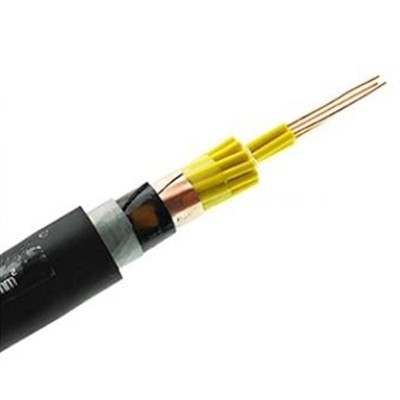
As a supplier of fire-resistant cables, I often get asked how these cables handle overloads during a fire. It's a crucial question, especially considering the safety implications in high-stress situations like fires. In this blog, I'll break down the science behind how fire-resistant cables deal with overloads and why it matters.
Understanding Fire-Resistant Cables
Before we dive into overload handling, let's quickly go over what fire-resistant cables are. Fire-resistant cables are designed to maintain circuit integrity during a fire. They're built to keep electrical power and signals flowing for a certain period, even when exposed to high temperatures and flames. This is super important in critical applications like emergency lighting, fire alarms, and elevators, where power needs to stay on during a fire.
We offer a range of fire-resistant cables, including the Fire Resistant Power Cable, Fire Resistant STA Control Cable, and Fire Resistant STA Power Cable. Each type is tailored to specific applications and requirements, but they all share the common goal of withstanding fire conditions.
How Fire-Resistant Cables Are Built
Fire-resistant cables are made with special materials and construction techniques to ensure they can handle extreme heat. The core of the cable is usually made of copper or aluminum conductors, which are good at conducting electricity. These conductors are then surrounded by insulation materials that have high thermal resistance.
One common insulation material is mica tape. Mica is a natural mineral that can withstand very high temperatures without losing its insulating properties. When wrapped around the conductors, mica tape forms a protective barrier that helps prevent the spread of fire and keeps the electrical current flowing.
Another important component is the outer sheath. The sheath is made of a fire-resistant material that can protect the cable from physical damage and further insulate it from the heat. Some sheaths are also designed to be low-smoke and halogen-free, which means they produce less toxic smoke and fumes during a fire.
Handling Overloads During a Fire
Now, let's get to the main question: how do fire-resistant cables handle overloads during a fire? Overloads occur when the electrical current flowing through a cable exceeds its rated capacity. This can happen for various reasons, such as a short circuit or an increase in the load on the circuit.
During a fire, the situation becomes even more challenging. The high temperatures can cause the insulation materials to degrade, which can lead to increased resistance and further overheating. This is where the design and construction of fire-resistant cables come into play.
Thermal Resistance
The insulation materials used in fire-resistant cables have high thermal resistance, which means they can withstand high temperatures without melting or losing their insulating properties. This helps prevent the conductors from coming into contact with each other, which could cause a short circuit.
For example, mica tape can withstand temperatures of up to 1000°C for a certain period. This gives the cable enough time to continue operating during a fire, even if the surrounding environment is extremely hot.
Current-Carrying Capacity
Fire-resistant cables are also designed to have a higher current-carrying capacity than regular cables. This means they can handle larger electrical loads without overheating. The conductors are usually thicker and made of high-quality materials, which reduces the resistance and allows more current to flow.
However, it's important to note that even fire-resistant cables have their limits. If the overload is too severe or the fire lasts for a long time, the cable may eventually fail. That's why it's crucial to choose the right cable for the application and ensure that it's installed and maintained properly.
Circuit Protection
In addition to the cable's design, circuit protection devices are also important for handling overloads during a fire. Circuit breakers and fuses are commonly used to protect the electrical circuit from overcurrent. These devices are designed to trip or blow when the current exceeds a certain level, which helps prevent damage to the cable and other electrical equipment.
During a fire, it's important to ensure that the circuit protection devices are working properly. If they fail to trip or blow, the overload could cause the cable to overheat and catch fire, which could make the situation even worse.
Why It Matters
The ability of fire-resistant cables to handle overloads during a fire is crucial for ensuring the safety of people and property. In a fire, every second counts, and having a reliable electrical system can make a big difference.
For example, in a building with fire-resistant cables, emergency lighting and fire alarms can continue to operate during a fire, which can help people evacuate safely. In addition, fire-resistant cables can also help prevent the spread of fire by keeping electrical circuits intact.
Contact Us for Your Fire-Resistant Cable Needs
If you're in the market for fire-resistant cables, we're here to help. Our team of experts can help you choose the right cable for your application and provide you with all the information you need to make an informed decision.


Whether you need Fire Resistant Power Cable, Fire Resistant STA Control Cable, or Fire Resistant STA Power Cable, we have the products and expertise to meet your needs. Contact us today to learn more about our fire-resistant cables and how they can help keep your electrical system safe during a fire.
References
- International Electrotechnical Commission (IEC). (2017). IEC 60331: Circuit integrity cables for use in fire conditions.
- National Fire Protection Association (NFPA). (2018). NFPA 70: National Electrical Code.
- Underwriters Laboratories (UL). (2019). UL 2196: Fire Test for Fire-Resistive Cables.