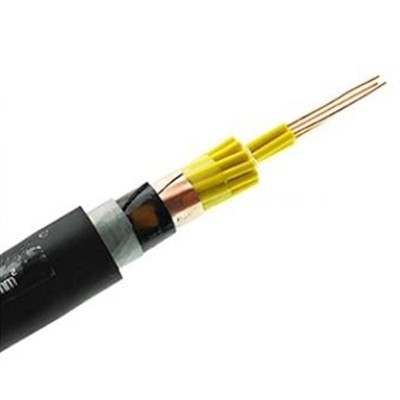
In the realm of electrical engineering and power distribution, the choice of cables is a crucial decision that can significantly impact the performance, safety, and efficiency of a system. One type of cable that has gained considerable attention in recent years is the Dual Shielded Inverter Flexible Cable. As a supplier of this specialized cable, I often encounter questions from customers regarding its suitability for DC applications. In this blog post, I will delve into the technical aspects of Dual Shielded Inverter Flexible Cables and explore whether they are a good fit for DC environments.
Understanding Dual Shielded Inverter Flexible Cables
Before we discuss their suitability for DC applications, let's first understand what Dual Shielded Inverter Flexible Cables are. These cables are designed specifically for use with inverters, which are devices that convert direct current (DC) to alternating current (AC). The dual shielding feature provides enhanced protection against electromagnetic interference (EMI) and radio frequency interference (RFI), which are common issues in inverter systems. The flexibility of these cables allows for easy installation in tight spaces and dynamic environments, making them ideal for applications where the cable needs to bend or move.
The Dual Shielded Inverter Flexible Cable typically consists of multiple conductors, each insulated with a high-quality material such as cross-linked polyethylene (XLPE) or ethylene propylene rubber (EPR). The dual shielding is usually made up of an inner metallic shield and an outer braided shield, which work together to block external interference and prevent the cable from radiating electromagnetic energy.
Characteristics of DC Applications
DC applications are prevalent in a wide range of industries, including renewable energy (such as solar and wind power), electric vehicles, telecommunications, and industrial automation. In these applications, DC power is used to drive motors, charge batteries, and power electronic devices. The characteristics of DC power differ from AC power in several ways:
- Constant Voltage and Current: Unlike AC power, which alternates in direction and magnitude, DC power has a constant voltage and current. This means that the electrical stress on the cable is more consistent over time.
- Lower Frequency: DC power has a frequency of 0 Hz, which is significantly lower than the typical frequencies used in AC power (50 Hz or 60 Hz). This lower frequency can reduce the skin effect, which is the tendency for electrical current to flow near the surface of a conductor at high frequencies.
- Unidirectional Current Flow: In DC applications, the current flows in one direction only. This can simplify the design and operation of the electrical system but also requires careful consideration of the cable's polarity.
Suitability of Dual Shielded Inverter Flexible Cables for DC Applications
Now that we have a better understanding of Dual Shielded Inverter Flexible Cables and DC applications, let's examine whether these cables are suitable for DC environments.
Electrical Performance
One of the primary considerations when using a cable in a DC application is its electrical performance. Dual Shielded Inverter Flexible Cables are designed to handle high-frequency AC signals, which means they have low impedance and high capacitance. While these characteristics are beneficial for AC applications, they may not be necessary for DC applications. However, the low impedance of the cable can still be advantageous in DC systems, as it can reduce power losses and improve the efficiency of the electrical system.
The dual shielding of the cable provides excellent protection against EMI and RFI, which is important in any electrical system. In DC applications, where the risk of interference is generally lower than in AC applications, the shielding can still help to prevent external interference from affecting the performance of the system. Additionally, the shielding can protect the cable from damage caused by electrostatic discharge (ESD), which is a common issue in DC environments.
Mechanical Performance
The flexibility of Dual Shielded Inverter Flexible Cables makes them well-suited for DC applications where the cable needs to be installed in tight spaces or moved frequently. The cable's ability to bend and flex without breaking or losing its electrical properties is essential in applications such as electric vehicles, where the cable may be subject to vibrations and movement.
The outer jacket of the cable is typically made of a durable material such as polyurethane or PVC, which provides protection against abrasion, moisture, and chemicals. This makes the cable suitable for use in harsh environments, such as industrial settings or outdoor applications.
Safety Considerations
Safety is always a top priority in any electrical system, and DC applications are no exception. Dual Shielded Inverter Flexible Cables are designed to meet strict safety standards, such as UL and CSA certifications. These certifications ensure that the cable is safe to use in a variety of applications and that it meets the requirements for electrical insulation, fire resistance, and mechanical strength.
The dual shielding of the cable can also help to prevent electrical shock and short circuits, which are common safety hazards in DC systems. By providing a barrier between the conductors and the external environment, the shielding can reduce the risk of electrical accidents and protect the equipment and personnel from harm.
Advantages of Using Dual Shielded Inverter Flexible Cables in DC Applications
While Dual Shielded Inverter Flexible Cables are primarily designed for AC applications, they offer several advantages when used in DC environments:
- Enhanced Protection: The dual shielding provides excellent protection against EMI, RFI, and ESD, which can improve the performance and reliability of the DC system.
- Flexibility: The cable's flexibility allows for easy installation in tight spaces and dynamic environments, making it ideal for applications where the cable needs to bend or move.
- Durability: The outer jacket of the cable is made of a durable material, which provides protection against abrasion, moisture, and chemicals. This makes the cable suitable for use in harsh environments.
- Safety: The cable is designed to meet strict safety standards, which ensures that it is safe to use in a variety of applications.
Limitations of Using Dual Shielded Inverter Flexible Cables in DC Applications
While Dual Shielded Inverter Flexible Cables offer many advantages in DC applications, there are also some limitations to consider:
- Cost: Dual Shielded Inverter Flexible Cables are typically more expensive than standard DC cables due to their specialized design and construction. This can make them less cost-effective for some applications.
- Overkill: In some DC applications, the dual shielding and high-frequency performance of the cable may not be necessary. Using a more expensive cable than required can result in unnecessary costs.
- Installation Complexity: The dual shielding and flexibility of the cable can make it more difficult to install than standard DC cables. This may require additional training and expertise for the installation personnel.
Conclusion
In conclusion, Dual Shielded Inverter Flexible Cables can be a suitable choice for DC applications, depending on the specific requirements of the system. The cable's electrical performance, mechanical flexibility, and safety features make it a viable option for applications where protection against EMI, RFI, and ESD is important. However, the cost and installation complexity of the cable should also be considered when making a decision.
If you are considering using a Dual Shielded Inverter Flexible Cable in a DC application, I recommend consulting with a qualified electrical engineer or cable specialist. They can help you determine whether the cable is the right choice for your specific needs and provide guidance on the installation and maintenance of the cable.


If you are interested in purchasing Dual Shielded Inverter Flexible Cables, Flexible Inverter Cable Flame Retardant, or Variable Speed Drive Cable, please contact us to discuss your requirements and explore the best solutions for your project.
References
- Electrical Engineering Handbook, Third Edition, edited by Richard C. Dorf
- Power Electronics: Converters, Applications, and Design, Third Edition, by Ned Mohan, Tore M. Undeland, and William P. Robbins
- National Electrical Code (NEC), published by the National Fire Protection Association (NFPA)