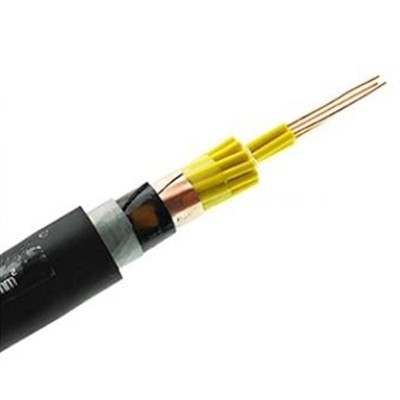
Hey there! As a supplier of Silicone Insulated NBR - PVC Cable, I often get asked about the dielectric strength of this type of cable. So, I thought I'd write a blog post to explain what it is, why it's important, and how it relates to our products.
What is Dielectric Strength?
First off, let's break down what dielectric strength means. In simple terms, dielectric strength is the maximum electric field that an insulating material can withstand without breaking down and allowing current to flow through it. It's measured in volts per unit thickness, like volts per millimeter (V/mm).
Think of it like a wall that keeps electricity where it's supposed to be. If the electric field gets too strong, it can punch through the wall (the insulation), causing a short circuit or other electrical problems. So, a high dielectric strength is super important for keeping electrical systems safe and reliable.
Why is Dielectric Strength Important for Silicone Insulated NBR - PVC Cable?
Our Silicone Insulated NBR - PVC Cable is used in a wide range of applications, from industrial machinery to consumer electronics. In all these applications, the cable needs to be able to handle high voltages without breaking down. That's where dielectric strength comes in.
A cable with a high dielectric strength can withstand higher voltages without arcing or short - circuiting. This means it can be used in more demanding electrical environments, where the risk of electrical breakdown is higher. For example, in industrial settings where there are high - power machines and electrical equipment, a cable with good dielectric strength is essential to prevent accidents and ensure the smooth operation of the equipment.
Factors Affecting the Dielectric Strength of Silicone Insulated NBR - PVC Cable
Several factors can affect the dielectric strength of our Silicone Insulated NBR - PVC Cable.
Material Quality
The quality of the silicone and NBR - PVC materials used in the cable plays a huge role. High - quality materials are more likely to have a higher dielectric strength. We always use top - notch materials in our cables to ensure the best performance.
Thickness of the Insulation
The thicker the insulation, the higher the dielectric strength. This is because a thicker layer of insulation provides more resistance to the electric field. We design our cables with the appropriate insulation thickness based on the intended application and the voltage requirements.
Temperature
Temperature can also have an impact on dielectric strength. As the temperature increases, the dielectric strength of the insulation material tends to decrease. That's why our cables are designed to perform well within a certain temperature range. We test our cables under different temperature conditions to make sure they meet the required standards.
Moisture and Contamination
Moisture and contamination can reduce the dielectric strength of the cable. Water and other contaminants can create conductive paths within the insulation, allowing current to flow where it shouldn't. That's why our cables are designed to be resistant to moisture and contamination, with proper sealing and protective coatings.
How We Ensure High Dielectric Strength in Our Cables
As a supplier, we take several steps to ensure that our Silicone Insulated NBR - PVC Cable has a high dielectric strength.
Quality Control
We have a strict quality control process in place. Every batch of cable is tested for dielectric strength before it leaves our factory. We use advanced testing equipment to measure the dielectric strength accurately and ensure that it meets or exceeds the industry standards.
Research and Development
We're constantly investing in research and development to improve the dielectric strength of our cables. We work with material suppliers to develop new and improved insulation materials that offer better performance. We also study the factors that affect dielectric strength and use this knowledge to optimize our cable designs.
Customization
We understand that different customers have different requirements. That's why we offer customized cable solutions. If you need a cable with a specific dielectric strength for a particular application, we can work with you to design and manufacture a cable that meets your needs.
Our Product Range
We offer a wide range of Silicone Insulated NBR - PVC Cable products. Check out our Flexible Silicone Power Cable, which is great for applications where flexibility is key. It has a high dielectric strength and can handle high voltages with ease.
Our Braided Shield Silicone NBR - PVC Cable is another popular option. The braided shield provides additional protection against electromagnetic interference, while the silicone and NBR - PVC insulation ensures a high dielectric strength.


Of course, our Silicone Insulated NBR - PVC Cable is the star of the show. It's designed for a variety of applications and offers excellent dielectric strength, flexibility, and durability.
Conclusion
In conclusion, the dielectric strength of Silicone Insulated NBR - PVC Cable is a crucial factor in its performance and safety. It determines the maximum voltage that the cable can handle without breaking down. At our company, we're committed to providing high - quality cables with excellent dielectric strength.
If you're in the market for Silicone Insulated NBR - PVC Cable, we'd love to talk to you. Whether you need a standard cable or a customized solution, we have the expertise and the products to meet your needs. Get in touch with us to discuss your requirements and start a procurement conversation.
References
- Electrical Insulation Handbook, McGraw - Hill
- Standards for Electrical Cables, International Electrotechnical Commission (IEC)