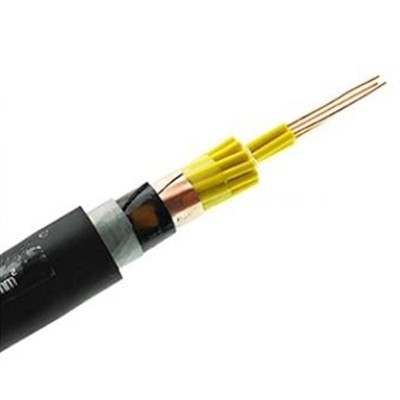
Hey there! As a supplier of Power Cable FEP Insulated High-Temp, I've been getting a lot of questions lately about the environmental impacts of these cables. So, I thought I'd take a deep dive into this topic and share what I've learned.
First off, let's talk about what FEP is. FEP stands for fluorinated ethylene propylene, which is a type of fluoropolymer. It's known for its excellent chemical resistance, high thermal stability, and low friction coefficient. These properties make it a popular choice for high-temperature power cables, as it can withstand extreme heat without degrading.
One of the main environmental concerns with FEP insulated high-temp power cables is the production process. The manufacturing of FEP involves the use of perfluorooctanoic acid (PFOA) and other per- and polyfluoroalkyl substances (PFAS). These chemicals are known to be persistent in the environment, meaning they don't break down easily and can accumulate in the soil, water, and air. They've also been linked to a variety of health issues, including cancer, thyroid problems, and developmental delays.
However, in recent years, there have been significant efforts to reduce the use of PFOA and other PFAS in the production of FEP. Many manufacturers, including us, have switched to alternative production methods that use less or no PFAS. This has helped to minimize the environmental impact of FEP production.
Another environmental aspect to consider is the energy consumption during the use of these cables. High-temperature power cables are often used in industrial settings where there's a high demand for electricity. The energy used to power these cables can contribute to greenhouse gas emissions, especially if the electricity is generated from fossil fuels.
But here's the good news. FEP insulated cables are highly efficient. They have low electrical resistance, which means less energy is lost as heat during transmission. This can result in significant energy savings over the long term, reducing the overall environmental impact associated with energy consumption.


Now, let's talk about the end-of-life disposal of FEP insulated high-temp power cables. Like many other types of cables, they can be recycled. Recycling these cables helps to reduce the amount of waste going to landfills and conserves natural resources. However, the recycling process for FEP cables can be complex due to the nature of the FEP material. It requires specialized equipment and techniques to separate the FEP from other components of the cable.
Despite these challenges, there are companies that specialize in recycling FEP cables. By working with these recyclers, we can ensure that our cables are disposed of in an environmentally responsible manner.
In addition to the environmental impacts related to production, use, and disposal, there's also the issue of potential emissions during a fire. FEP is a flame-retardant material, which means it can help prevent the spread of fire. However, when exposed to high temperatures in a fire, FEP can release toxic gases, such as hydrogen fluoride. These gases can be harmful to human health and the environment.
To mitigate this risk, we offer cables like the High-Temp Power Cable FEP FR 105℃ PVC and High-Temp Power Cable FEP FR Silicone STA, which are designed to have improved fire performance and reduced emissions.
Overall, while there are some environmental challenges associated with using FEP insulated high-temp power cables, there are also many ways to minimize these impacts. By choosing cables from a responsible supplier like us, you can be confident that you're getting a product that's not only high-quality but also environmentally friendly.
If you're in the market for Power Cable FEP Insulated High-Temp, I encourage you to reach out to us. We'd be happy to discuss your specific needs and help you find the right cable for your application. Whether you're looking for a cable for an industrial facility, a data center, or any other high-temperature environment, we've got you covered.
Let's work together to make the world a greener place while still meeting your power cable needs. Contact us today to start the conversation!
References
- "Fluoropolymers: Properties, Processing, and Applications" by John Wiley & Sons
- "Environmental and Health Impacts of Per- and Polyfluoroalkyl Substances (PFAS)" by the Environmental Protection Agency
- "Recycling of Fluoropolymers" by various industry reports