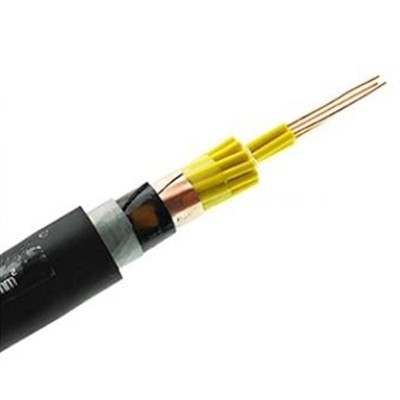
Hey there! As a supplier of Braided Shield Silicone NBR - PVC Cable, I often get asked about the impedance of these cables. So, I thought I'd take a deep - dive into this topic and share some insights.
First off, let's understand what impedance is. In simple terms, impedance is like the "resistance" that an electrical circuit presents to the flow of alternating current (AC). It's a combination of resistance, inductive reactance, and capacitive reactance. For our Braided Shield Silicone NBR - PVC Cable, impedance plays a crucial role in how well the cable can transmit electrical signals.
The impedance of a cable depends on several factors. One of the main factors is the physical construction of the cable. Our Braided Shield Silicone NBR - PVC Cable has a unique structure. The braided shield provides protection against electromagnetic interference (EMI), which can affect the impedance. The silicone, NBR, and PVC materials also contribute to the cable's electrical properties.
Silicone is known for its excellent electrical insulation properties. It helps to reduce the capacitive reactance in the cable. Capacitive reactance is related to the ability of the cable to store electrical energy in an electric field. When the capacitive reactance is low, the cable can transmit signals more efficiently.
NBR (Nitrile Butadiene Rubber) and PVC (Polyvinyl Chloride) are used in the cable's outer sheath. They provide mechanical protection and also have an impact on the impedance. NBR is resistant to oil and chemicals, while PVC is known for its durability. These materials can affect the cable's overall electrical characteristics, including impedance.
The diameter of the conductors in the cable also matters. Thicker conductors generally have lower resistance, which can influence the impedance. In our cables, we carefully select the conductor size to ensure optimal impedance for different applications.
Another important factor is the frequency of the electrical signal. Impedance can vary with frequency. At low frequencies, the resistance component of the impedance is more dominant. As the frequency increases, the inductive and capacitive reactances become more significant.
Let's talk about how impedance affects the performance of our Braided Shield Silicone NBR - PVC Cable. If the impedance of the cable doesn't match the impedance of the source or the load, it can lead to signal reflections. Signal reflections can cause distortion in the electrical signal, which is not good for the performance of the system.
For example, in a power transmission system, if the impedance of the cable is not properly matched, it can result in power losses. These losses can lead to reduced efficiency and increased energy consumption.
In communication systems, impedance mismatches can cause data errors. When the impedance is not consistent, the signal can be distorted, and the receiver may not be able to accurately interpret the data.
Our company has been working hard to optimize the impedance of our Braided Shield Silicone NBR - PVC Cable. We use advanced manufacturing techniques and high - quality materials to ensure that the impedance is stable and within the desired range.
We also offer different types of cables with varying impedance values to meet the specific needs of our customers. Whether you need a cable for a high - frequency communication system or a power transmission application, we have the right solution for you.


If you're in the market for a Flexible Silicone Power Cable or a Braided Shield Silicone Power Cable, you'll find that our products are designed to provide excellent impedance characteristics. Our cables are tested rigorously to ensure that they meet the highest standards.
When it comes to choosing the right cable for your application, it's important to consider the impedance requirements. You need to know the impedance of the source, the load, and the cable itself. Our team of experts can help you with this. We can provide you with detailed information about the impedance of our cables and how they can be used in your specific application.
In conclusion, the impedance of a Braided Shield Silicone NBR - PVC Cable is a complex but important aspect of its performance. It's influenced by factors such as the cable's construction, materials, conductor size, and the frequency of the electrical signal. Our company is committed to providing high - quality cables with optimal impedance for a wide range of applications.
If you're interested in learning more about our Braided Shield Silicone NBR - PVC Cable or have any questions about impedance, feel free to reach out. We're here to help you make the right choice for your electrical needs. Whether you're a small business or a large industrial company, we can provide you with the right cable solutions. So, don't hesitate to contact us for more information and to start a procurement discussion.
References:
- Electrical Engineering textbooks on cable design and impedance analysis
- Industry standards for cable impedance and performance