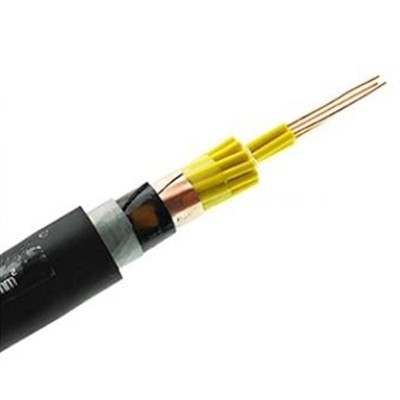
Humidity is a crucial environmental factor that can significantly influence various aspects of materials and products. When it comes to Fire Resistant Control Cables, understanding the impact of humidity on their fire - resistant performance is of utmost importance. As a supplier of Fire Resistant Control Cables, I have witnessed firsthand how humidity can affect these cables and the implications it has for our customers.
The Basics of Fire Resistant Control Cables
Fire Resistant Control Cables are designed to maintain circuit integrity during a fire. They are used in a wide range of applications, including industrial facilities, commercial buildings, and transportation systems. These cables are engineered to withstand high temperatures and continue to function for a specified period, ensuring that critical control systems remain operational during a fire event.


Our company offers a variety of fire - resistant cables, such as the Fire Resistant STA Power Cable and XLPE Fire Resistant Power Cable. These cables are known for their high - quality construction and excellent fire - resistant properties. However, humidity can pose challenges to their performance.
How Humidity Affects Fire Resistant Control Cables
1. Electrical Properties
Humidity can have a direct impact on the electrical properties of Fire Resistant Control Cables. When the cables are exposed to high humidity, moisture can penetrate the cable insulation. This can lead to a decrease in the insulation resistance, which is a measure of the cable's ability to prevent the flow of electric current through the insulation. A lower insulation resistance can result in electrical leakage, which not only affects the cable's performance but also poses a safety risk.
In addition, the presence of moisture can cause corrosion of the cable conductors. Corrosion can increase the resistance of the conductors, leading to increased power losses and potential overheating. Over time, this can degrade the cable's performance and reduce its lifespan.
2. Mechanical Properties
Humidity can also affect the mechanical properties of Fire Resistant Control Cables. Moisture can cause the cable insulation to swell, which can lead to mechanical stress on the cable. This stress can cause the insulation to crack or delaminate, exposing the conductors and reducing the cable's fire - resistant capabilities.
Furthermore, high humidity can affect the strength and flexibility of the cable jacket. The jacket is an important component of the cable as it provides protection against physical damage and environmental factors. If the jacket is weakened by humidity, it may not be able to provide adequate protection, increasing the risk of damage to the cable during a fire.
3. Fire - Resistant Coatings
Many Fire Resistant Control Cables are coated with fire - resistant materials to enhance their fire - resistant performance. Humidity can affect the effectiveness of these coatings. Moisture can cause the coatings to deteriorate or peel off, reducing their ability to provide protection during a fire.
In some cases, the presence of moisture can also cause chemical reactions within the fire - resistant coatings, which can alter their properties and reduce their fire - resistant capabilities.
Case Studies and Research Findings
Numerous studies have been conducted to investigate the impact of humidity on the fire - resistant performance of cables. For example, a research project conducted by a leading industry institute found that cables exposed to high humidity for an extended period showed a significant decrease in their insulation resistance compared to cables stored in a dry environment.
Another study focused on the mechanical properties of cables in humid conditions. The results indicated that cables exposed to high humidity experienced more frequent cracking and delamination of the insulation, which reduced their ability to withstand fire.
Mitigating the Impact of Humidity
As a supplier of Fire Resistant Control Cables, we understand the importance of mitigating the impact of humidity on our products. We take several measures to ensure that our cables can perform well even in humid environments.
1. Quality Insulation Materials
We use high - quality insulation materials that are resistant to moisture. These materials have a low water absorption rate, which helps to prevent moisture from penetrating the cable insulation.
2. Proper Cable Installation
Proper installation is crucial to minimize the impact of humidity on the cables. We provide detailed installation guidelines to our customers, which include recommendations for protecting the cables from moisture. For example, cables should be installed in a dry environment and protected from direct exposure to water.
3. Regular Maintenance
Regular maintenance of the cables is essential to ensure their long - term performance. We recommend that our customers conduct regular inspections of the cables to check for signs of moisture damage, such as corrosion or insulation degradation. If any issues are detected, the cables should be repaired or replaced promptly.
Conclusion
Humidity can have a significant impact on the fire - resistant performance of Fire Resistant Control Cables. It can affect the electrical and mechanical properties of the cables, as well as the effectiveness of their fire - resistant coatings. As a supplier, we are committed to providing high - quality cables that can withstand the challenges posed by humidity.
If you are in the market for Fire Resistant Control Cables, we invite you to explore our product range at Fire Resistant Control Cable. Our team of experts is ready to assist you in selecting the right cables for your specific needs. Contact us to discuss your requirements and start a procurement negotiation. We look forward to serving you.
References
- Industry Institute Research Report on Cable Performance in Humid Conditions.
- Journal of Electrical Engineering: Impact of Humidity on Cable Insulation.
- International Fire Safety Standards for Cables.