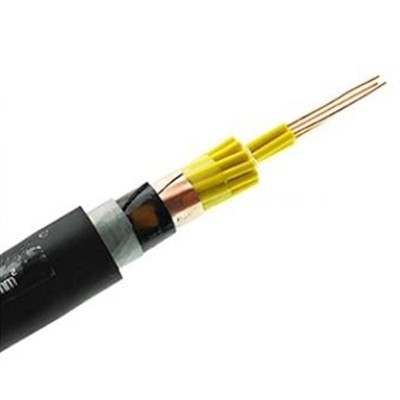
Hey there! I'm a supplier of compensating cables, and I've been in this business for quite a while. Today, I want to talk about the impacts of high - altitude environments on compensating cables.
First off, let's understand what high - altitude environments are like. High - altitude areas usually have lower air pressure, lower oxygen levels, and more intense solar radiation compared to sea - level areas. These factors can have a significant effect on the performance and lifespan of compensating cables.
1. Effect of Low Air Pressure
Low air pressure at high altitudes can cause some unique problems for compensating cables. One of the main issues is the potential for electrical arcing. In normal conditions, air acts as an insulator. But at high altitudes, the lower air density means there are fewer air molecules to prevent the flow of electricity. This can lead to electrical arcing between conductors in the cable, which can damage the insulation and reduce the cable's performance.
For example, if a compensating cable is used in a high - altitude industrial setting, like a mountain - top power plant, the low air pressure can increase the risk of short - circuits. This is a big deal because it can disrupt the normal operation of the equipment that the cable is connected to.
2. Impact of Low Oxygen Levels
Low oxygen levels in high - altitude areas can also affect compensating cables. Oxidation is a natural process that occurs when materials are exposed to oxygen. In a high - altitude environment with less oxygen, the oxidation rate of the cable's conductors and insulation materials may change.
For some cables, a slower oxidation rate might seem like a good thing. However, it can also lead to the formation of different types of oxides that could potentially affect the electrical conductivity of the cable. For instance, if the copper conductors in a compensating cable form an unusual oxide layer due to low oxygen levels, it could increase the resistance of the cable, leading to power losses.


3. Intense Solar Radiation
High - altitude areas receive more intense solar radiation. Ultraviolet (UV) rays can be particularly harmful to the insulation of compensating cables. The UV rays can break down the chemical bonds in the insulation material, making it brittle and more prone to cracking.
Once the insulation cracks, it loses its ability to protect the conductors inside the cable. This can expose the conductors to moisture, dust, and other contaminants, which can further degrade the cable's performance. For example, if a compensating cable is installed outdoors in a high - altitude location, the intense solar radiation can significantly reduce its lifespan.
4. Temperature Variations
High - altitude areas often experience large temperature variations between day and night. Compensating cables need to be able to withstand these extreme temperature changes. When the temperature drops at night, the cable materials contract, and when it rises during the day, they expand.
This repeated expansion and contraction can cause mechanical stress on the cable. Over time, this stress can lead to damage to the insulation and conductors. For example, the insulation may start to peel away from the conductors, or the conductors themselves may break due to the constant bending and stretching.
How to Choose the Right Compensating Cables for High - Altitude Environments
As a compensating cable supplier, I know how important it is to choose the right cables for high - altitude applications. Here are some types of cables that are well - suited for these environments:
- Type K Precision Compensating Wire: This type of wire is designed to provide accurate temperature compensation. It has good resistance to electrical interference and can withstand a certain range of temperature variations. You can find more information about it here.
- Type K Precision Shielded Cable: The shielding in this cable helps to protect against electromagnetic interference, which can be more of an issue in high - altitude areas due to the thinner atmosphere. It also offers better protection against mechanical damage. Check it out here.
- K Precision High Temp Cable: As the name suggests, this cable is designed to handle high temperatures. It's a great choice for high - altitude environments where temperature variations can be extreme. You can learn more about it here.
Importance of Regular Maintenance
Even with the right cables, regular maintenance is crucial in high - altitude environments. Inspecting the cables for signs of damage, such as cracks in the insulation or loose connections, can help prevent problems before they occur. Cleaning the cables to remove dust and debris can also improve their performance.
Contact for Procurement
If you're in the market for compensating cables for high - altitude applications, I'm here to help. Whether you need a small quantity for a research project or a large order for an industrial installation, I can provide you with high - quality cables that are suitable for your specific needs. Reach out to me, and we can discuss your requirements and find the best solutions for you.
References
- "Electrical Engineering Handbook", edited by Richard C. Dorf.
- "Materials Science and Engineering: An Introduction" by William D. Callister, Jr. and David G. Rethwisch.