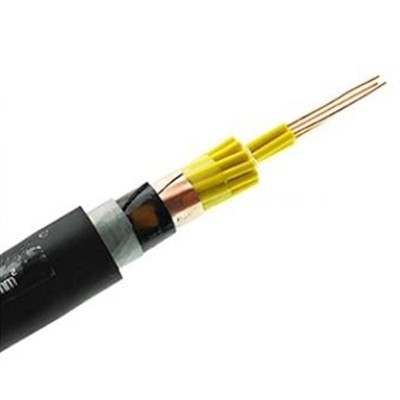
As a supplier of fire-resistant cables, I understand the critical importance of proper cable storage. Fire-resistant cables are designed to maintain circuit integrity during a fire, ensuring that essential systems such as emergency lighting, fire alarms, and communication systems continue to function. However, improper storage can compromise the performance of these cables, leading to potential safety risks. In this blog post, I will share some best practices for storing fire-resistant cables to ensure their longevity and reliability.
Understanding the Characteristics of Fire-Resistant Cables
Before discussing storage methods, it's essential to understand the unique characteristics of fire-resistant cables. These cables are typically made with special insulation materials that can withstand high temperatures and prevent the spread of fire. They are also designed to resist damage from moisture, chemicals, and mechanical stress.
However, these properties can be affected by environmental factors such as temperature, humidity, and exposure to sunlight. Therefore, proper storage is crucial to maintain the integrity of the cables and ensure their performance in case of a fire.


Ideal Storage Conditions
The ideal storage conditions for fire-resistant cables are cool, dry, and well-ventilated. The temperature should be maintained between 10°C and 30°C (50°F and 86°F), and the relative humidity should be kept below 70%. These conditions help prevent the cables from deteriorating due to moisture and heat.
It's also important to protect the cables from direct sunlight, as UV radiation can damage the insulation and reduce the cable's fire resistance. If possible, store the cables in a dark, enclosed area or use UV-resistant covers.
Storage Location
When choosing a storage location for fire-resistant cables, consider the following factors:
- Accessibility: The storage area should be easily accessible for inventory management and retrieval.
- Security: The location should be secure to prevent theft and damage to the cables.
- Protection from environmental factors: The area should be protected from extreme temperatures, humidity, and other environmental factors.
- Space: There should be enough space to store the cables without overcrowding.
A dedicated storage room or warehouse is ideal for storing fire-resistant cables. If a dedicated room is not available, a well-ventilated area in a building can also be used. Make sure the area is free from dust, debris, and other contaminants that could damage the cables.
Storage Racks and Shelving
Using storage racks and shelving is an effective way to organize and store fire-resistant cables. Here are some tips for using storage racks and shelving:
- Choose the right type of rack or shelving: Select racks or shelving that are strong enough to support the weight of the cables. Consider the size and shape of the cables when choosing the rack or shelving.
- Label the racks and shelves: Label each rack and shelf with the cable type, size, and quantity. This makes it easier to locate and manage the cables.
- Arrange the cables properly: Place the cables on the racks or shelves in an organized manner. Avoid stacking the cables too high, as this can cause damage to the cables.
Handling and Transporting Cables
Proper handling and transporting of fire-resistant cables are also important to prevent damage. Here are some tips for handling and transporting cables:
- Use proper lifting equipment: When lifting the cables, use appropriate lifting equipment such as forklifts or hoists. Make sure the lifting equipment is in good condition and rated for the weight of the cables.
- Protect the cables during transport: Use protective covers or packaging to protect the cables during transport. Avoid exposing the cables to extreme temperatures, humidity, or other environmental factors.
- Handle the cables with care: When handling the cables, avoid bending or twisting them too much. This can damage the insulation and reduce the cable's fire resistance.
Monitoring and Maintenance
Regular monitoring and maintenance of the stored fire-resistant cables are essential to ensure their performance. Here are some tips for monitoring and maintenance:
- Inspect the cables regularly: Check the cables for signs of damage, such as cuts, abrasions, or corrosion. If any damage is found, replace the cables immediately.
- Check the storage conditions: Monitor the temperature and humidity in the storage area regularly. Make sure the conditions are within the recommended range.
- Rotate the inventory: Rotate the inventory of cables to ensure that the oldest cables are used first. This helps prevent the cables from deteriorating due to long-term storage.
Conclusion
Proper storage of fire-resistant cables is crucial to ensure their longevity and reliability. By following the best practices outlined in this blog post, you can protect your investment in fire-resistant cables and ensure that they perform as expected in case of a fire.
If you are interested in purchasing fire-resistant cables, we offer a wide range of products, including Fire Resistant Power Cable, Fire Resistant STA Control Cable, and Fire Resistant STA Power Cable. Our cables are designed to meet the highest standards of fire resistance and performance. Contact us today to discuss your specific requirements and explore how our fire-resistant cables can enhance the safety of your projects.
References
- National Fire Protection Association (NFPA). (2023). NFPA 70: National Electrical Code.
- International Electrotechnical Commission (IEC). (2023). IEC 60332: Tests on electric cables under fire conditions.
- Cable Manufacturers Association International (CMI). (2023). Best practices for cable storage and handling.